
白露(全文在线阅读)>
白露公文包里造电脑!树莓派官方DIY教程免费看_我的网站
A | 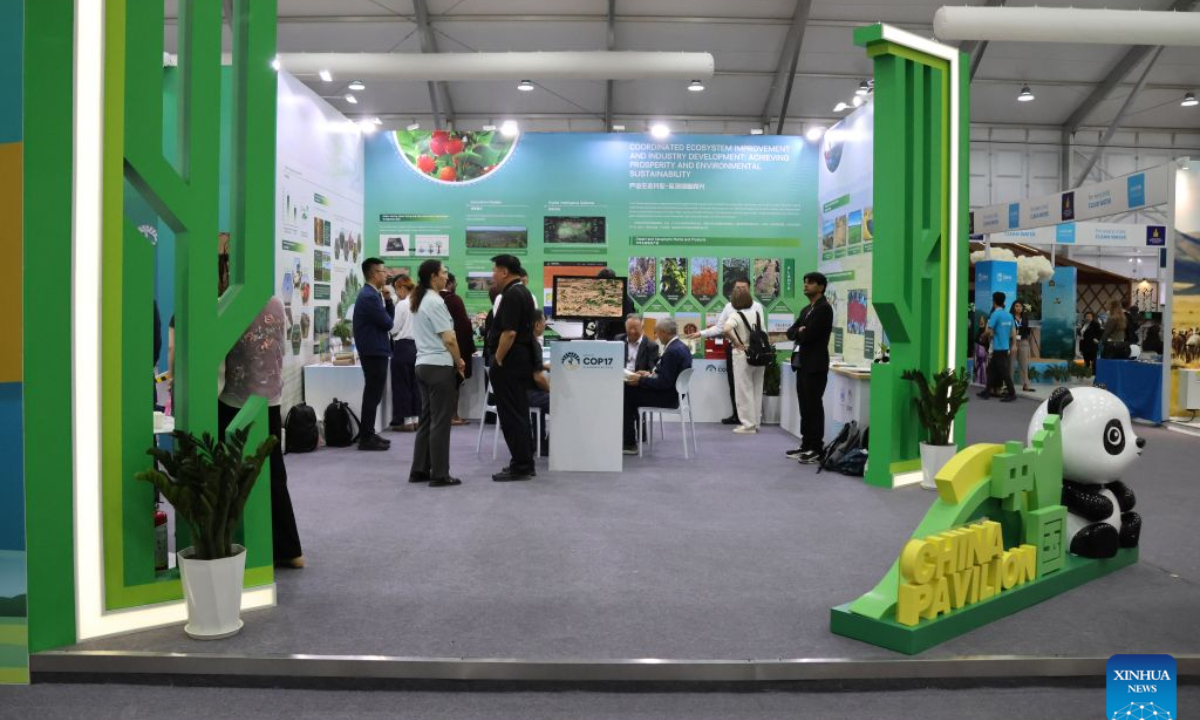 Held under the overall theme of COP17, "Restoring Land, Restoring Hope," the exhibition presents China's efforts and achievements in combating desertification through five chapters across three dimensions. Chapter 1: The Great Green Wall - Strengthening the Ecological Security Barrier in the North Since 1978, China has launched a series of major ecological projects, including the Three-North Shelterbelt Forest Program (TSFP), widely recognized as the world's largest afforestation program. The TSFP was launched in 1978 and is scheduled to run until 2050. It is being implemented in eight phases, with the program currently in its sixth phase. Since the implementation of the TSFP began, forest and grassland coverage in the project area has reached 40.76 percent, while the treatment rate of desertified land has reached 67.82 percent. Chapter 2: Prairie Conservation and Restoration - Bringing Grasslands Back to Life Since the 14th Five-Year Plan period, China has rehabilitated and restored nearly 15.33 million hectares of degraded grassland. In addition, nearly 80.66 million hectares of grassland have been restored through measures such as grazing bans and enclosure, benefiting approximately 12 million farmers and herders. Chapter 3: International Cooperation - Building a Green Community with a Shared Future Upholding the concept of a community of life on Earth, China has established desertification cooperation platforms with Arab countries, Mongolia, and Central Asian countries. It has also supported Belt and Road countries in their efforts to combat desertification, sharing Chinese experience and solutions for global ecological governance. Chapter 4: Scientific Prevention and Control - Combining Knowledge and Technology to Enhance Governance Efficiency China adheres to an integrated approach to the protection and systematic management of mountains, rivers, forests, farmlands, lakes, grasslands, and deserts. It adapts measures to local conditions, prioritizes water-efficient approaches to ecological restoration, and implements targeted treatments in different areas. In terms of technological advancement, the utilization rate of high-quality seeds has exceeded 75 percent, while the mechanization rate of sand control has reached 50 percent. The application of new equipment has increased the efficiency of sand-control operations by more than threefold. Chapter 5: Coordinated Development of Ecological Industries - Achieving Green Prosperity Together China has developed ecological industries and ecotourism initiatives tailored to local conditions, promoting the integrated development of ecological protection, industrial growth, and improvements in people's livelihoods. These efforts have helped transform desert and sandy areas into "green homes," enabling local communities to increase their incomes and achieve greater prosperity. China has seen a continuous decline in the areas affected by desertification and land salinization, becoming the first country in the world to achieve "zero growth" in land degradation. Approximately 53 percent of manageable salinized land has been effectively treated, making China a global leader in ecological restoration. During COP17, which runs through Aug. 28, the "China Corner" will also host a series of thematic side events to facilitate exchanges on ideas, technologies, and practices for combating desertification.  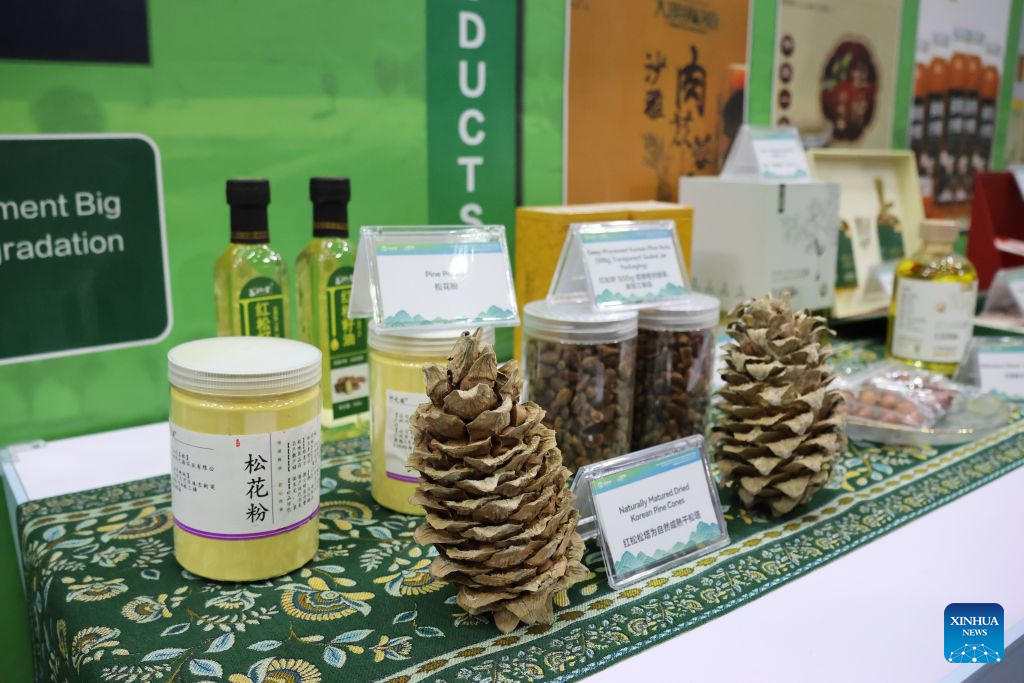 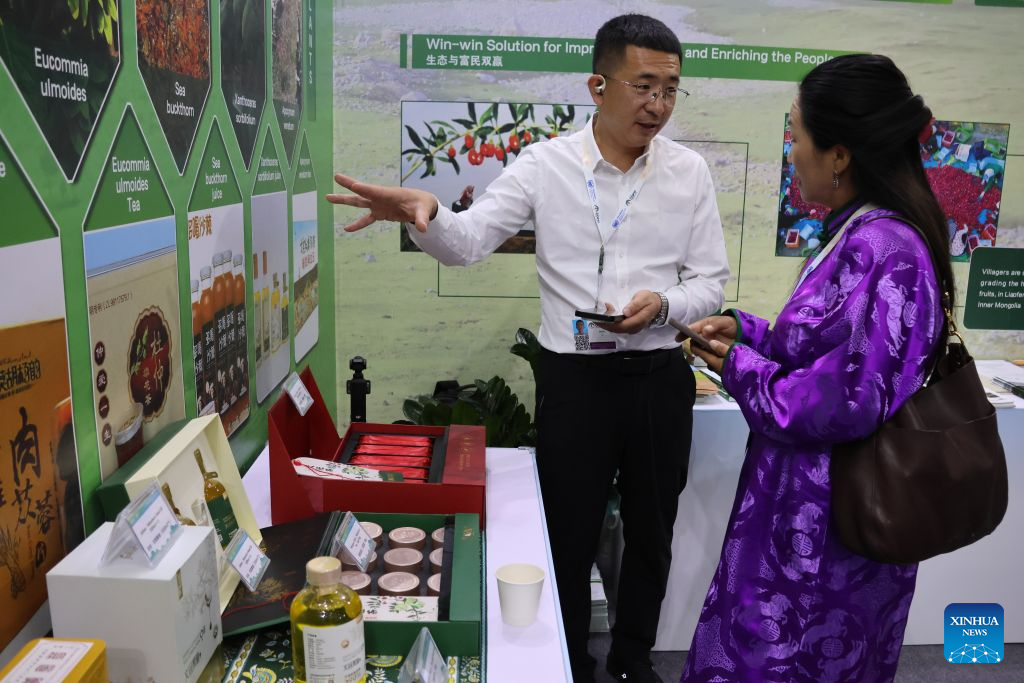 。 8月25日消息,树莓派发布了一份免费的官方指南,手把手教大家用现成组件在防护箱里组装一台便携式的赛博朋克工作站。 这种自制便携电脑在创客圈被称为赛博甲板(Cyberdeck),近年来越来越火。 它的形态五花八门,有人用公文包、木盒装,还有人塞进老式口袋电脑甚至锡罐里,树莓派自己选了一个鹈鹕风格的坚固防护箱,防风雨、耐造还好带。 官方示例的配置包括一台树莓派5、一块7英寸触摸屏、蓝牙键盘、扬声器、USB音频系统、电池,以及128GB闪存盘和一颗RTC电池(用于关机后保持时钟运行)。 按照官方说法,任何一台赛博甲板都由四部分组成:电脑本身、外围设备、电源系统和机箱。树莓派建议用单板计算机方案,功耗比传统PC平台低得多,存储可以从SD卡一路扩展到M.2 NVMe固态硬盘。 想折腾的话还能加屏幕、LED灯、传感器甚至软件定义无线电,按自己的任务需求定制。 电源是重点,树莓派5在USB接口满载时功耗可达25W,触摸屏全亮度约3W,官方提醒装机前先算清所有组件的总功率再选电池。 动手顺序也有讲究:先测试所有组件,用纸板规划内部布局,再用3D打印或激光切割做支架,过程中可能需要焊接。 完整指南刊登在《树莓派官方杂志》第168期,可免费在线阅读。
B |
【本文结束】如需转载请务必注明出处:
责任编辑:知微
文章内容举报
。
C | Current article:http://a2v612i.shouyouxumianpouluanteng.shop/news/20260826_8113353.html Published on:18:58:46 |


